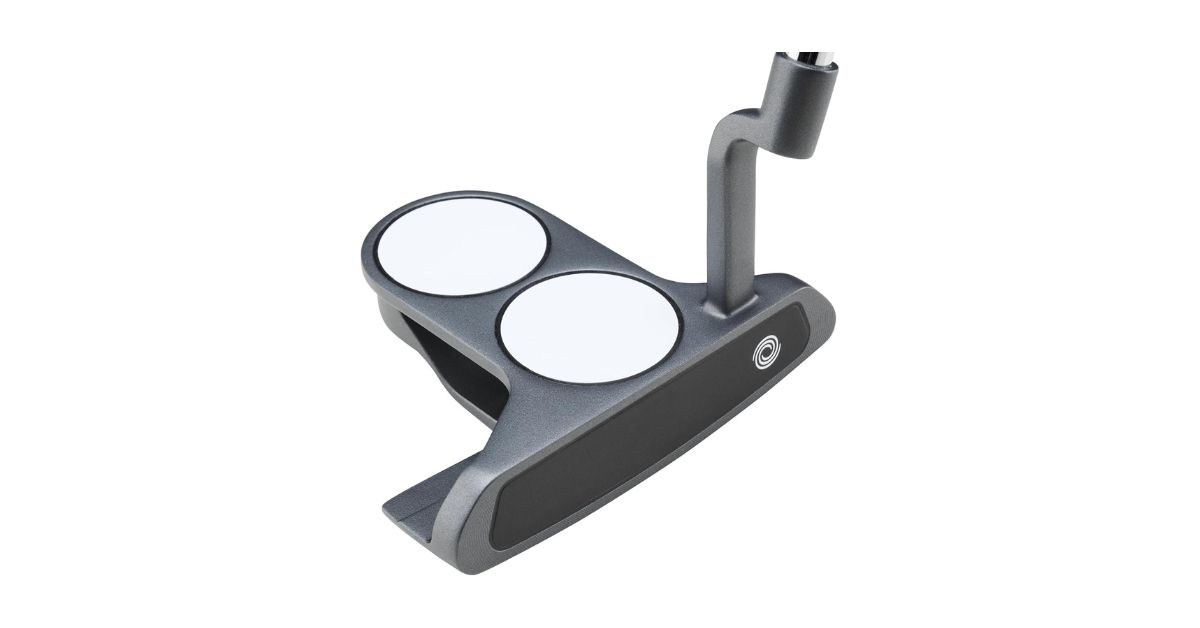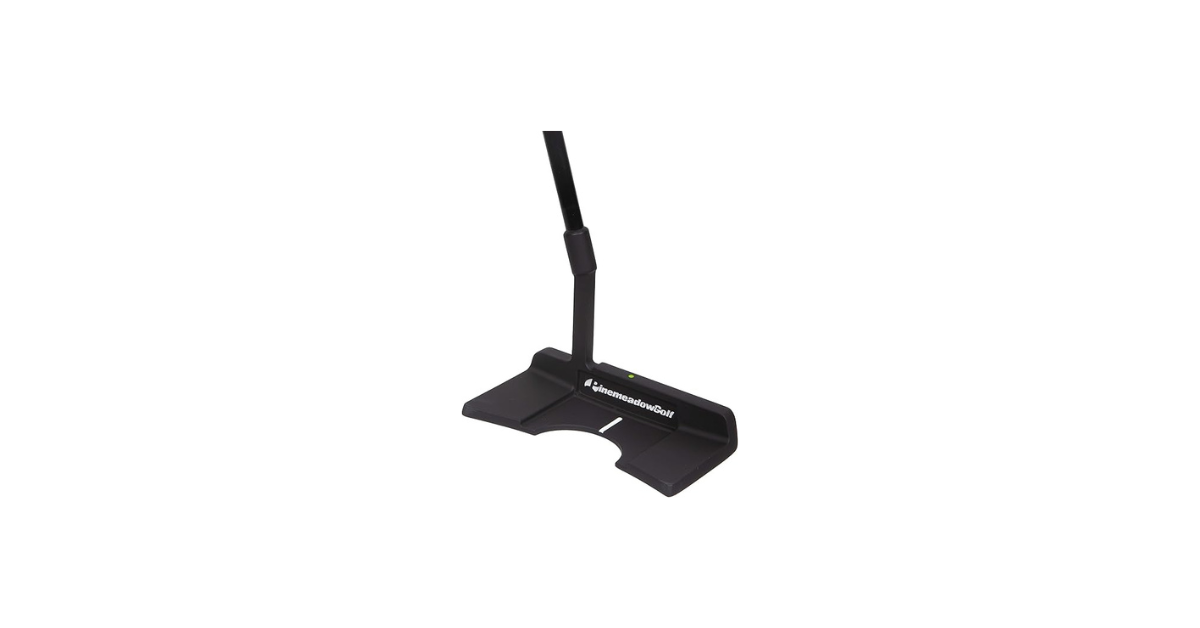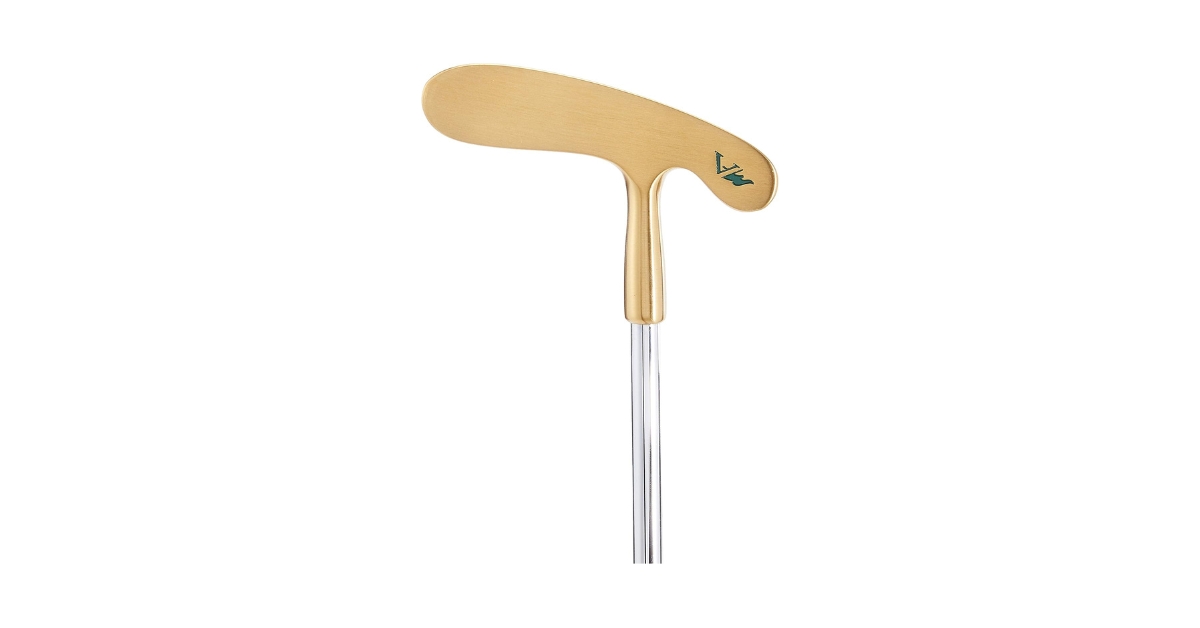
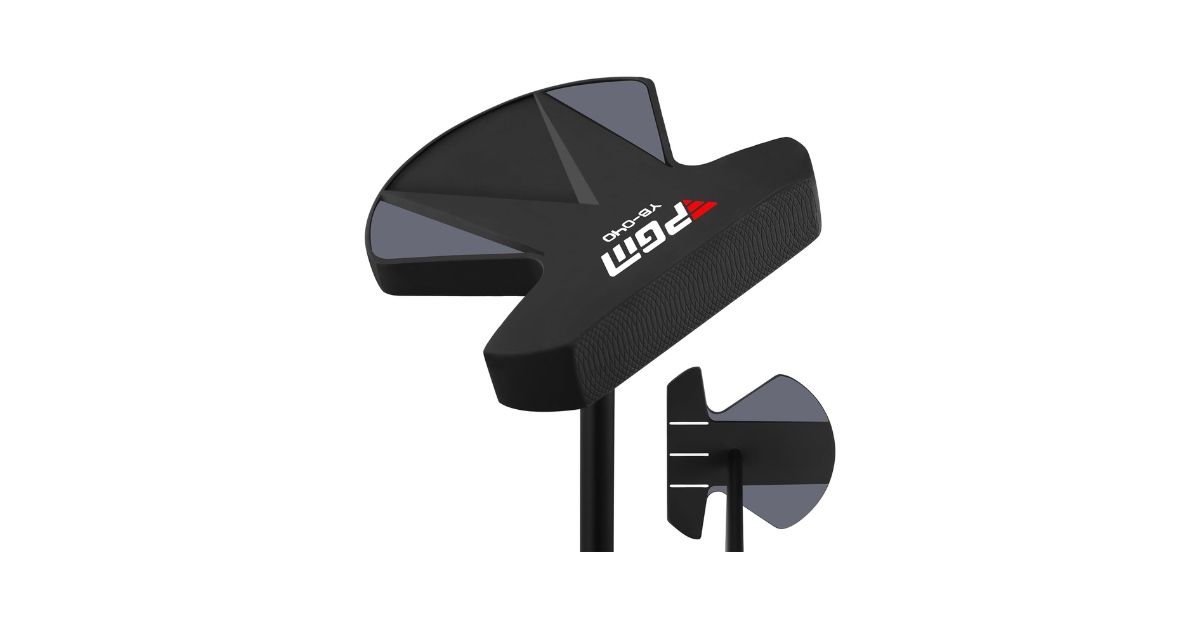
If you’ve been looking for a zero torque putter without spending $300–$500, the PGM Zero Torque Putter is probably one of the most interesting budget options available right now. It brings a face-balanced, center-shafted design that’s becoming increasingly popular among golfers who want a straighter putting stroke and more consistency on the greens.
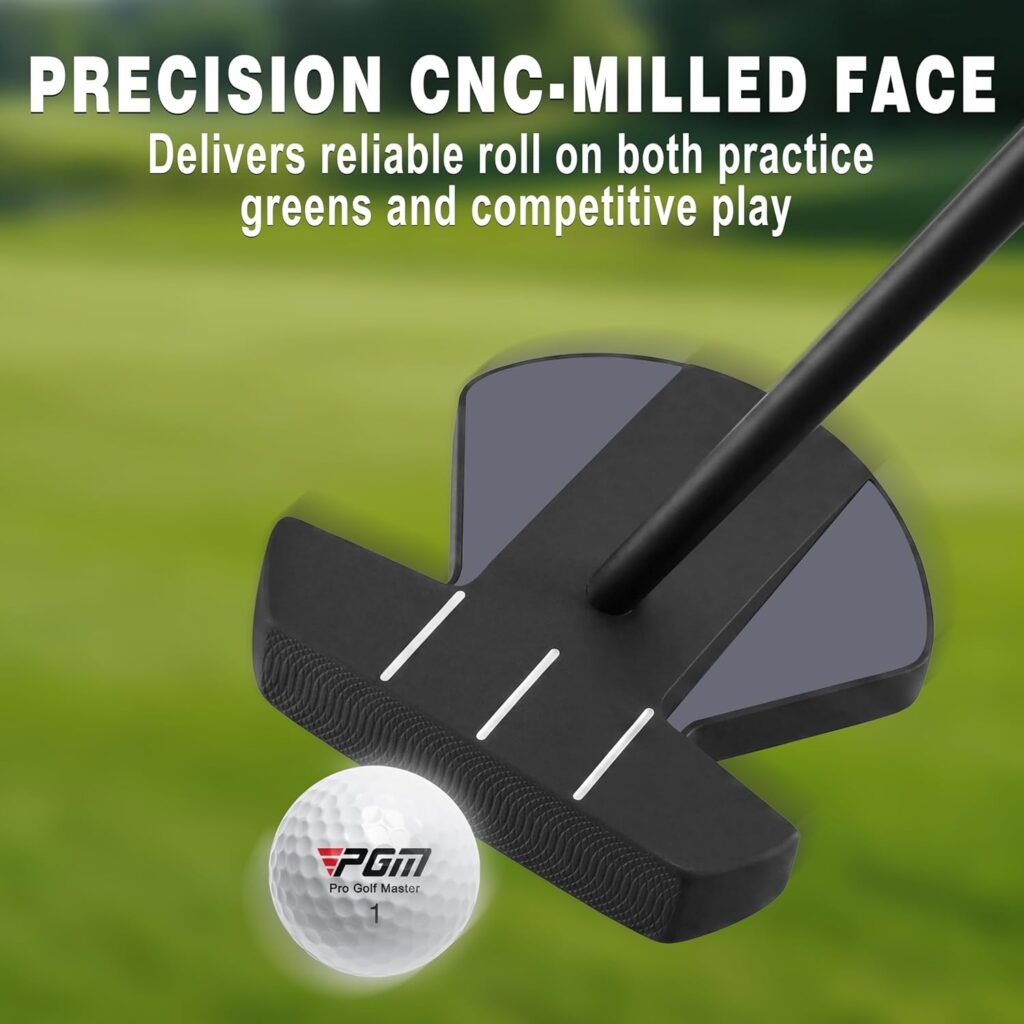
Honestly, the first thing that stands out isn’t the looks—although it has a clean, modern appearance—but the amount of technology PGM has packed into a putter at this price. Features like a high-MOI head, CNC-milled face, graphite shaft, and center-of-gravity shaft placement are normally associated with much more expensive models.
After studying its design, specifications, verified customer feedback, and how similar zero-torque putters perform, here’s what golfers should realistically expect.
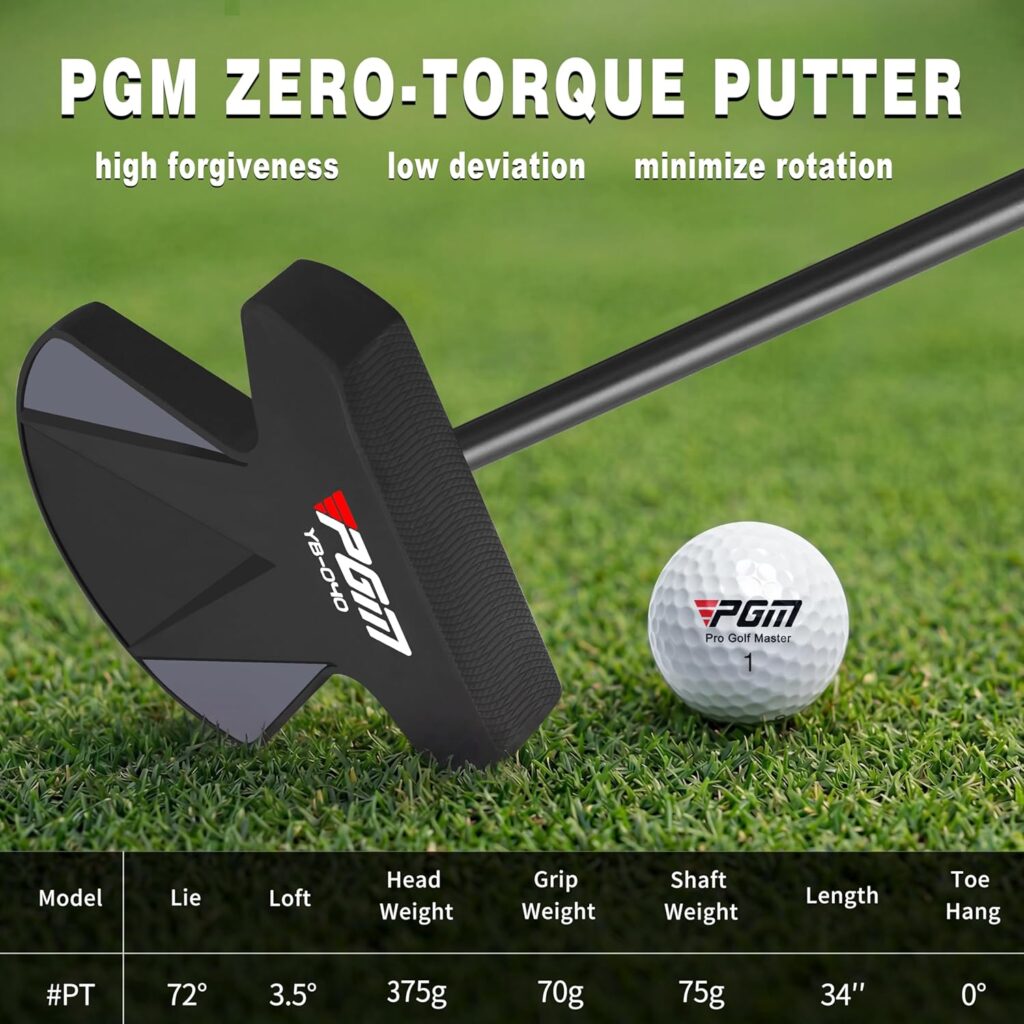
Quick Specifications
| Specification | Details |
|---|---|
| Product | PGM Zero Torque Putter |
| Club Type | Golf Putter |
| Hand | Right Hand |
| Length | 34 inches |
| Loft | 3.5° |
| Lie Angle | 72° |
| Shaft | Graphite (Regular Flex) |
| Grip | Synthetic Rubber |
| Toe Hang | 0° (Face Balanced) |
| Head Style | Center Shaft |
| Warranty | 6 Months |
View on Amazon
Key Features at a Glance
- Zero-torque face-balanced construction
- Center-shaft design aligned with the center of gravity
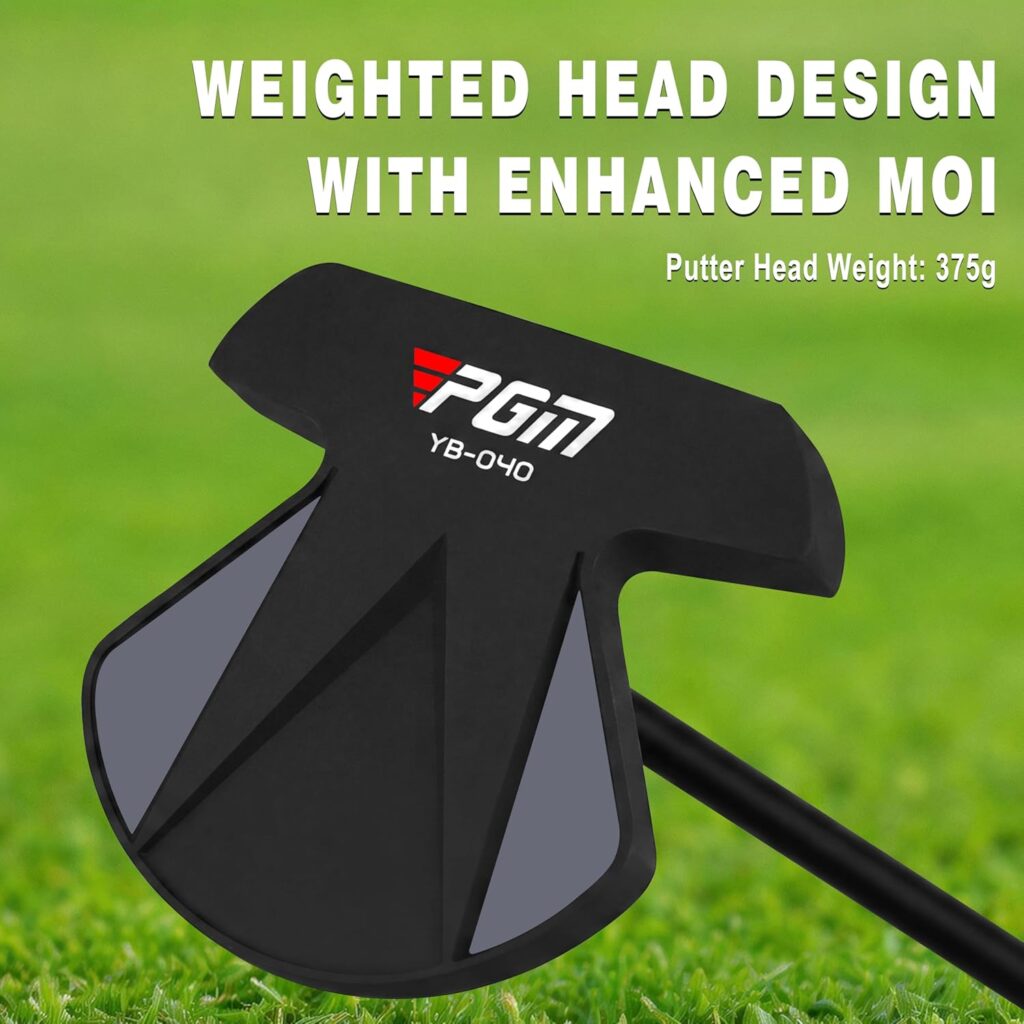
- High-MOI weighted head for extra stability
- CNC-milled aluminum face
- Lightweight graphite shaft
- Comfortable anti-slip rubber grip
- Ball pickup hole built into the sole
- Clean, minimalist appearance
Design Philosophy – Why Zero-Torque Putters Are Getting So Much Attention
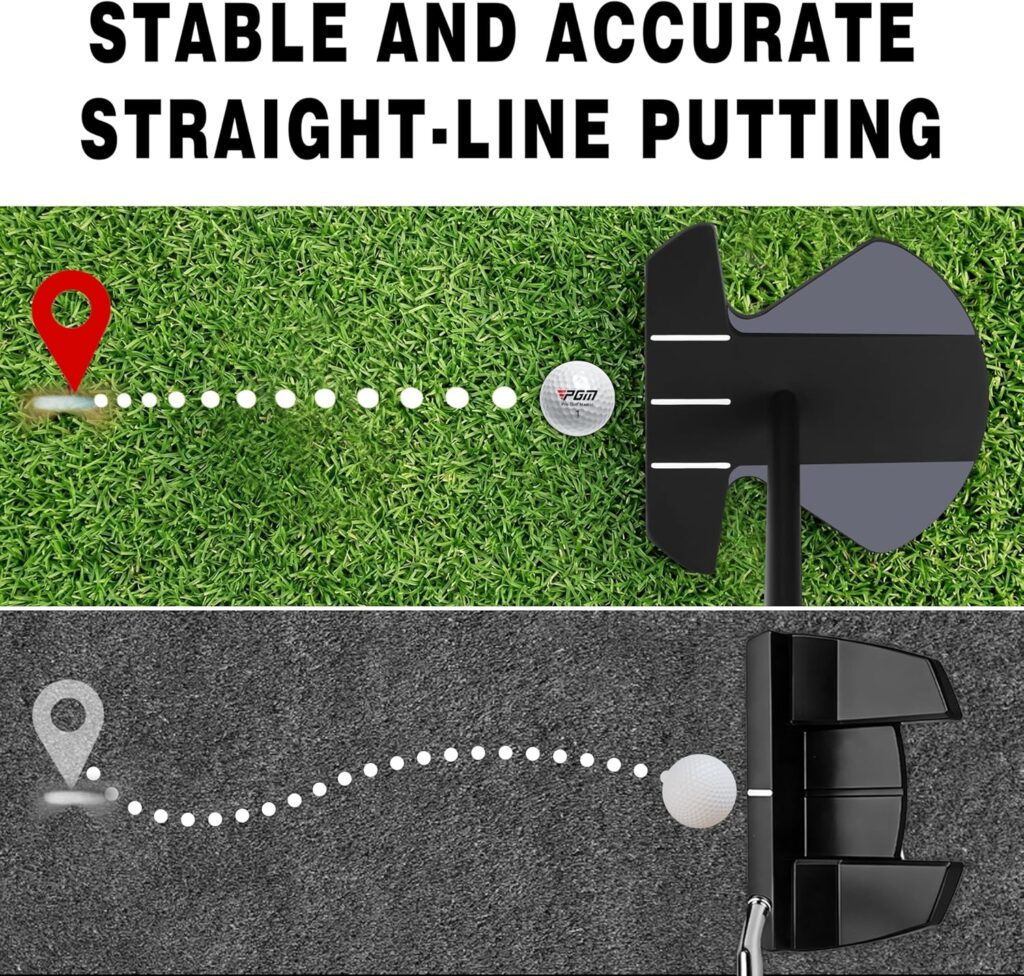
The biggest selling point here is obviously the zero-torque design. Instead of allowing the clubface to naturally rotate during the stroke like many traditional blade putters, this design tries to keep the face square from takeaway all the way through impact.
For golfers who use a straight-back, straight-through stroke, that’s a pretty big advantage. Less face rotation often means fewer pulled or pushed putts.
PGM also places the shaft almost directly through the putter’s center of gravity. That alignment reduces twisting during the stroke and makes the head feel surprisingly stable. It doesn’t magically fix poor technique, of course, but it can make your stroke feel more repeatable, especially under pressure.
If you’ve ever looked at premium zero-torque putters from brands like LAB Golf or Odyssey’s Square 2 Square series, you’ll recognize the overall concept immediately.
On-Green Performance
Alignment and Setup Confidence
One thing I really like is how naturally the putter wants to sit behind the golf ball. The center-shaft configuration almost encourages you to return the face square at address.
Golfers who struggle with alignment may notice an improvement simply because the putter doesn’t feel like it’s fighting your hands.
Stability Throughout the Stroke
This is where the putter performs better than many people would expect.
Because of the weighted head and face-balanced setup, there’s noticeably less twisting throughout the stroke. During shorter putts inside eight feet, it feels especially stable, and that’s where confidence really starts to build.
It’s not impossible to miss, obviously, but the club does seem to reduce some of those tiny face-angle mistakes that can send putts offline.
Forgiveness on Off-Center Hits
The high-MOI construction helps maintain ball speed reasonably well when contact isn’t perfectly centered.
Heel and toe strikes still lose a little energy—as every putter does—but direction remains surprisingly consistent. That’s good news for mid- and high-handicap golfers who don’t always strike the exact sweet spot.
Roll and Distance Control
The CNC-milled face produces a fairly soft, predictable roll.
Long lag putts felt easy to judge, while shorter putts offered enough feedback without feeling overly firm. The lightweight graphite shaft also contributes to a smooth overall stroke that many players will probably enjoy.
Feel at Impact
Impact feedback lands somewhere between soft and medium.
It’s not buttery like some premium milled putters costing several hundred dollars, but it’s certainly pleasant. The face communicates enough information to know whether you’ve caught the center without feeling harsh.
Build Quality and Materials
PGM chose a combination of graphite, aluminum, and synthetic rubber that keeps the total weight manageable while maintaining decent stability.
The grip feels comfortable in both dry and slightly humid conditions, offering enough texture without becoming abrasive during longer practice sessions.
The finish looks attractive with its minimalist styling, although one verified buyer did report paint chipping after only a few rounds. Since customer feedback is still limited, it’s difficult to know whether that’s an isolated quality-control issue or something more common. It’s simply worth keeping in mind.
Simulated On-Course Experience
Although long-term testing data remains limited, the design gives a fairly good idea of how this putter behaves on different greens.
On medium-speed greens, it feels balanced and easy to control. Short putts inspire confidence because the face naturally wants to stay square.
On faster greens, distance control becomes more important than the putter itself, but the smooth roll remains consistent.
Lag putting from 30–40 feet feels predictable once you’ve adjusted to the lightweight shaft. Golfers transitioning from heavy steel-shafted putters may need a practice session or two before everything starts feeling natural.
Overall, the putter seems built more around consistency than outright feel, and that’s probably the right decision for its target audience.
What Real Buyers Are Saying
Customer feedback paints a mostly positive picture, although it’s still based on a relatively small number of verified purchases.
Several golfers praised the balance and stable feel during the stroke. One reviewer mentioned that the putter rolled the ball smoothly while resisting twisting better than expected, especially considering its price.
Another golfer, an 8-handicap player who has owned many different putters over the years, felt this model delivered much of the zero-torque experience found in premium brands without requiring a several-hundred-dollar investment. His initial impression was that it stayed on line well and represented excellent value.
One customer even reported that after switching to this putter, they began making more one-putts and significantly reduced their three-putts. While that’s obviously a personal experience rather than a guaranteed result, it highlights the confidence some golfers gain from a face-balanced design.
Not every review was positive, though. One verified buyer experienced paint chipping after only a few holes and questioned the overall finish quality. With only a handful of reviews available, it’s hard to determine whether this reflects a widespread durability concern or an isolated defect.
Overall, the recurring themes are excellent value, improved stability, smooth roll, and forgiving performance, with durability being the main question mark.
Comparison With Popular Alternatives
PGM Zero Torque vs Odyssey Ai-One Square 2 Square
Odyssey offers more premium materials, refined feel, and stronger brand recognition. However, it costs considerably more.
If your budget is limited, the PGM delivers many of the same design principles at a fraction of the investment.
PGM Zero Torque vs LAB Golf DF3
LAB Golf remains the benchmark for zero-torque technology, offering exceptional balance and premium engineering.
The trade-off is price. Golfers willing to spend significantly more will likely appreciate the LAB experience, while budget-conscious players may find the PGM provides enough of the concept to justify its much lower cost.
Who Should Buy This Putter?
This putter makes the most sense for:
- Beginners wanting extra forgiveness
- Mid-handicap golfers seeking more consistency
- Players using a straight-back, straight-through stroke
- Golfers curious about zero-torque technology without spending premium money
- Anyone replacing an older face-balanced putter
Who Might Want Something Else?
It may not be the best choice if you:
- Prefer a strong arc putting stroke
- Want tour-level milled feel
- Expect flawless cosmetic durability
- Need extensive customization or fitting options
Value for Money
Value is honestly where this putter shines.
Considering the combination of center-shaft design, CNC milling, graphite shaft, face-balanced construction, and high-MOI weighting, it offers an impressive feature list for its price category.
While it doesn’t completely match the refinement of premium competitors, it also doesn’t ask you to spend several hundred dollars. For many recreational golfers, that’s a worthwhile compromise.
Buy Here
Pros and Cons
Pros
- Stable zero-torque design
- Excellent forgiveness
- Smooth, predictable roll
- Comfortable lightweight graphite shaft
- Very good value for money
- Beginner-friendly setup
- Modern appearance
Cons
- Right-hand model only
- Limited long-term durability data
- One reported cosmetic finish issue
- Small customer review sample
Golf Assay Rating
| Category | Score |
|---|---|
| Design | 9.0/10 |
| Stability | 9.2/10 |
| Forgiveness | 9.1/10 |
| Feel | 8.6/10 |
| Build Quality | 8.4/10 |
| Value | 9.5/10 |
| Overall Rating | 9.0/10 |
Final Verdict
The PGM Zero Torque Putter isn’t trying to replace every premium putter on the market, and honestly it doesn’t have to. Instead, it brings modern zero-torque ideas into a much more accessible price range.
Its biggest strengths are stability, forgiveness, and confidence on shorter putts. The center-shaft design helps keep the face square, while the high-MOI head reduces twisting enough that many golfers will notice a more consistent stroke.
There are still a few unknowns, particularly regarding long-term finish durability and the relatively small number of customer reviews. Even so, the overall feedback has been encouraging, with most owners praising the smooth roll, balanced feel, and outstanding value.
If you’ve been curious about face-balanced zero-torque putters but aren’t ready to invest in a premium model, this PGM putter deserves a serious look.
Buy Now
Frequently Asked Questions
Is the PGM Zero Torque Putter good for beginners?
Yes. Its face-balanced design and stable head make it easier for newer golfers to develop a repeatable putting stroke.
Does it suit an arc putting stroke?
Not really. Golfers with a strong arc generally prefer putters with some toe hang rather than a completely face-balanced setup.
Is the graphite shaft a good choice?
For many players, yes. It reduces overall weight and offers a smooth feel while maintaining good control during the stroke.
Is it worth buying instead of a premium zero-torque putter?
If budget matters, absolutely. Premium models offer finer materials and refinement, but the PGM captures many of the same performance concepts at a much lower price.
What is the biggest drawback?
Based on current buyer feedback, the biggest concern is cosmetic durability, as one owner reported paint chipping early. Otherwise, early impressions have been largely positive.