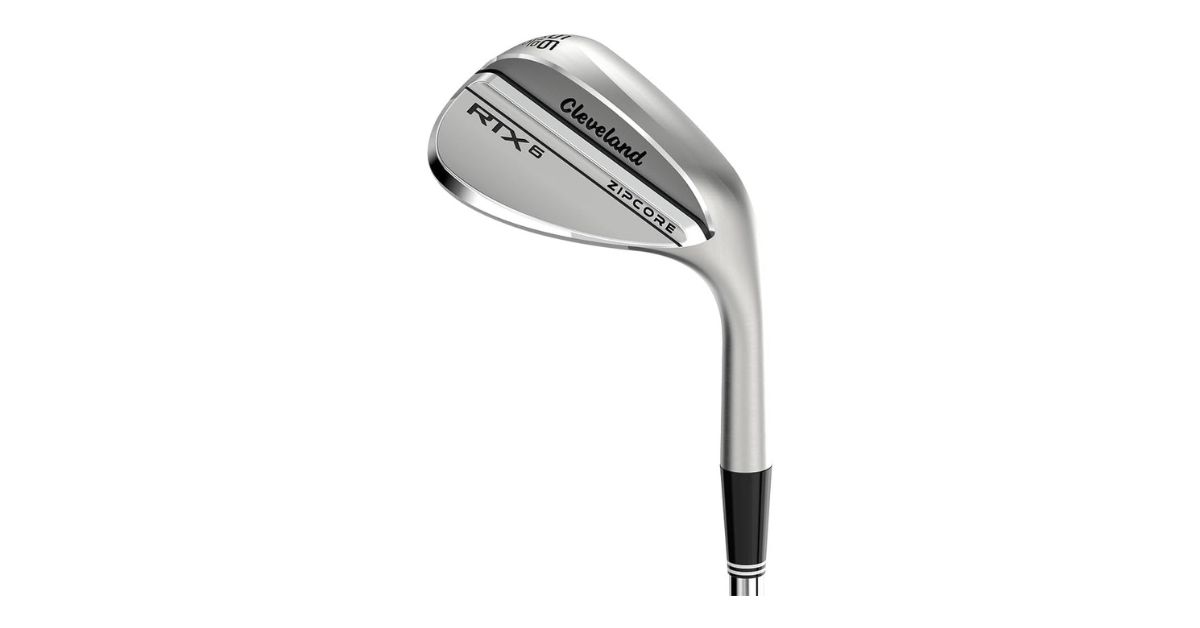
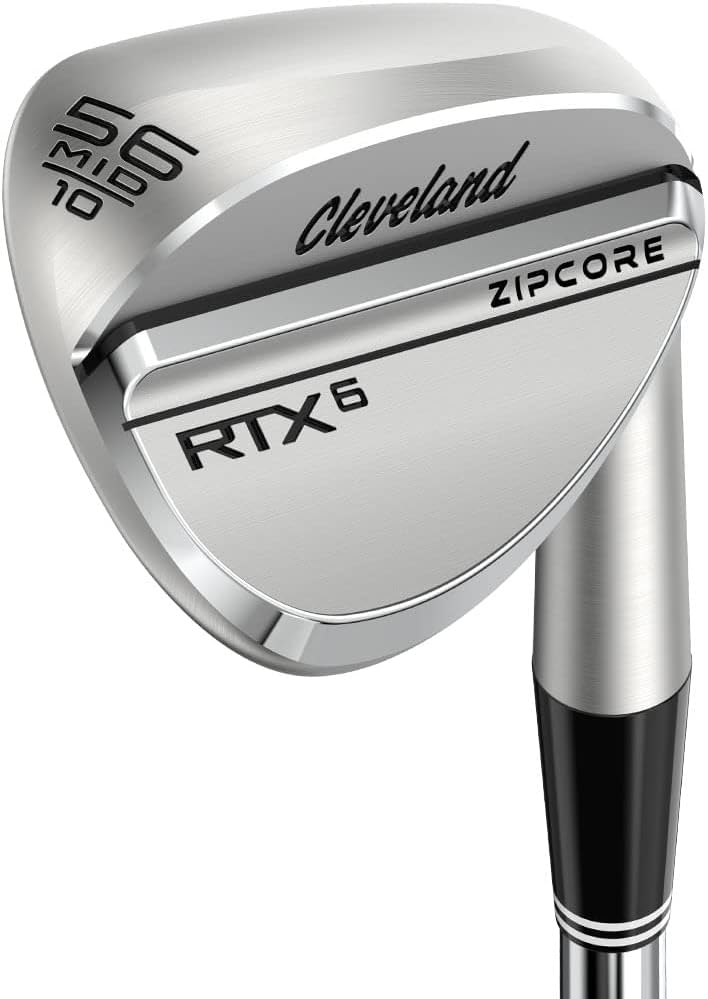
If you’re serious about dropping shots around the green, you already know that your wedge choice matters more than almost any other club in the bag. The short game is where scores are made or broken, and Cleveland Golf has understood that better than most brands for decades. Their RTX lineup has long been a trusted name on tour and among club-level players alike — and the Cleveland RTX 6 ZipCore is, honestly, one of the most impressive wedges they’ve ever put out.
This review covers everything you need to know — the tech, the real feel, what actual buyers are saying, and whether the $129 price tag is genuinely worth it in 2025.
Quick Specs at a Glance
| Feature | Details |
|---|---|
| Available Lofts | 46° – 60° |
| Sole Grinds | Low, Low+, Mid, Full |
| Finish Options | Tour Satin, Black Satin, Tour Rack (Raw) |
| Shaft | True Temper Dynamic Gold Steel (Stiff) |
| Grip Material | Rubber — 4¼ inches |
| Bounce (56° Mid) | 10 Degrees |
| Material | Stainless Steel |
| Hand Orientation | Right & Left |
| Price | ~$129.78 |
| Warranty | 1 Year Manufacturer |
View on Amazon
What’s New? Key Technologies Explained
HydraZip — Spin in Any Condition
The biggest talking point with the RTX 6 is HydraZip — a dynamic face blast combined with laser-milled lines that creates a rougher surface texture across the entire face. The goal? Maximum friction between ball and face, especially when there’s moisture involved. Cleveland claims this delivers up to 43% more spin in wet conditions compared to the previous RTX ZipCore generation. That’s a bold number, and based on the testing data available from multiple independent reviewers, it holds up pretty well in practice. Wet rough, morning dew, or light rain — the RTX 6 grips the ball in a way that older wedges simply don’t.
ZipCore 2.0 — Smarter Weight Distribution
ZipCore isn’t new — it debuted back in 2020 — but Cleveland nearly doubled the amount of low-density core material for this generation, with up to 95% more ZipCore inside the head. What does that actually do? It shifts the center of gravity away from the hosel and closer to the center of the face. Most wedges, traditionally, have their CG sitting near the hosel — not ideal for amateur golfers. By centralizing the CG and increasing MOI by up to 20%, the RTX 6 plays noticeably more forgiving without looking like a game-improvement club. That’s a neat trick.
UltiZip Grooves — Sharper, Deeper, Closer
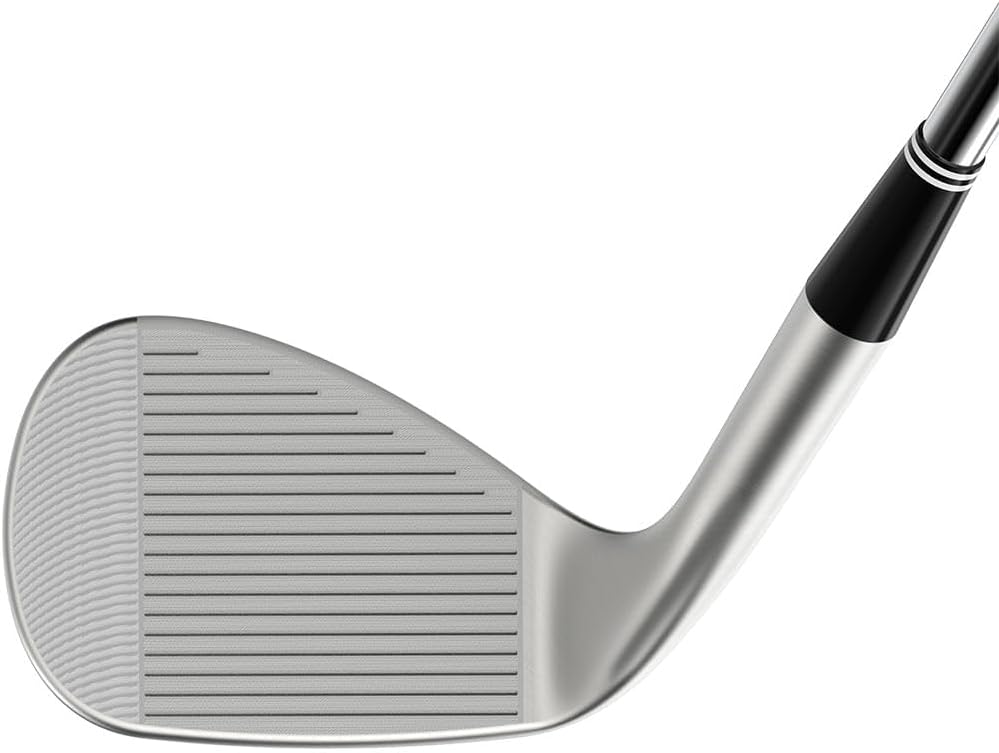
The grooves on the RTX 6 aren’t just updated — they’re basically reimagined. UltiZip grooves are sharper at the edges, cut deeper into the face, and spaced tighter together than the previous TourZip design. Cleveland even managed to fit two additional grooves on each clubface because of the tighter spacing. What you get in practice is cleaner contact through debris, better channeling of dirt and sand away from the impact zone, and a ball that checks up faster on the green. On mid-swing shots, independent testers recorded 200–300 RPM more spin compared to the previous generation — measurable and real.
Design & Aesthetics — Does It Look the Part?
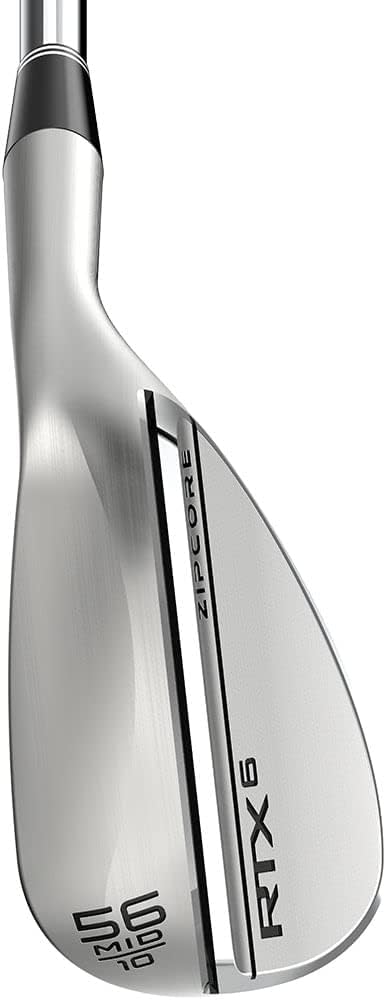
Short answer — yes, absolutely. The RTX 6 keeps that classic teardrop shape that Cleveland has refined over years, but this version is slightly more compact than its predecessor. The profile sits lower at the toe, which gives it a cleaner, more traditional look at address. The Tour Satin finish is crisp without being overly shiny — it won’t flash in your eyes on a bright day. The matte face texture is noticeably different from last generation too, reducing glare without looking dull.
The standout visual detail is the aggressive CNC milling on the toe. Functionally it doesn’t change your shot, but it looks seriously cool — a deep, contrasting mill pattern that gives the face a layered, high-performance look. Several reviewers called it one of the best-looking wedge faces they’ve ever seen, and it’s hard to argue. All-black paint fill and tasteful branding round off the package nicely.
Performance Breakdown
Spin — Dry & Wet Conditions
Spin is the headline, and it delivers. In dry conditions, the RTX 6 produces backspin rates hovering around 300 RPM above average for its category. In wet conditions, the HydraZip treatment makes a genuine difference. One verified buyer who switched from a Vokey SM series noted “no regrets” after playing a full round — describing the feel as incredible and the response as phenomenal. That’s not marketing talk, that’s a real golfer on the chipping green.
Feel & Sound at Impact
On a center strike, the RTX 6 produces a firm, slightly low-pitched “clap” — not the sharp crack of some competitor wedges, but a satisfying, solid sound. The feel through the hands is firm and informative. You know immediately where you hit it. Mishits on the toe produce a louder click, but the feel stays surprisingly soft — the ZipCore technology seems to absorb some of that harsh feedback. One reviewer described it as “super soft on well-struck shots, but still giving you sound feedback on mis-hits” — which is kind of the ideal combination for a wedge.
Accuracy & Shot Consistency
Distance consistency is one area where the RTX 6 genuinely improved over its predecessor. In full-swing testing with a 50° wedge, dispersion tightened up noticeably. One testing report showed a shot area 37% tighter from 100 yards out compared to competing wedges — that’s significant for a scoring club. A long-time Cleveland user who’s played their wedges for 20 years said the RTX 6 gave him more accuracy and spin than any previous model he’s used. Consistent distance gapping is especially strong in the 46°–54° range.
Versatility Around the Green
This is where the RTX 6 really shines. Whether it’s a low bump-and-run, a flop shot, or getting out of a greenside bunker, the club handles it. The tri-bounce sole design with different leading edge styles lets you adapt your shot shape naturally. One buyer specifically mentioned hitting for the pin with confidence because the backspin on short chips was so predictable — no more guessing how far the ball would release.
Sole Grind Options — Choosing the Right One
Getting the grind wrong on a wedge is like buying the right shoe in the wrong width. Here’s a quick breakdown:
| Grind | Best For | Bounce Level |
|---|---|---|
| Low | Firm conditions, open-face shots | Least bounce |
| Low+ | Sand wedge lofts (54°–56°), bunkers | Low + 2° extra |
| Mid | All-around play, most conditions | Medium bounce |
| Full | Soft turf, steep swing players | Most bounce |
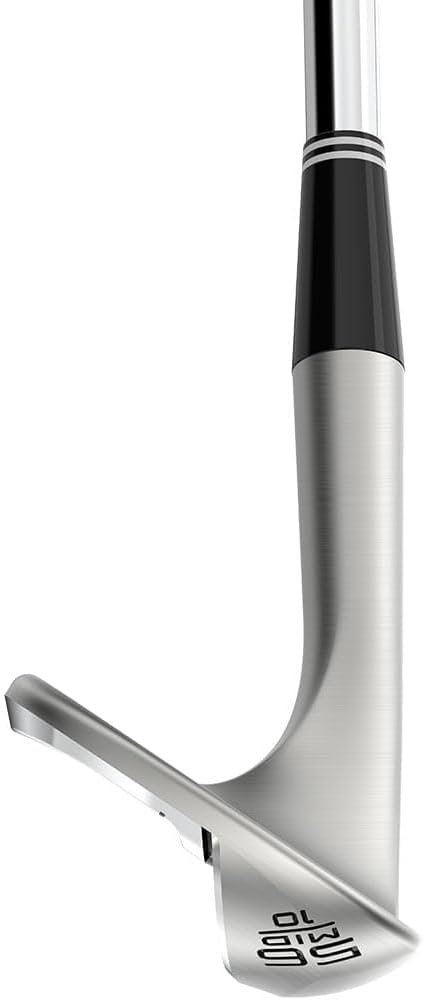
The Low+ is new for this generation and only available in 54° and 56° — it’s a smart addition for players who want a sand-ready sole without committing to high bounce across the bag. For most recreational players, Mid is the safest and most versatile starting point.
Real Golfer Feedback — What Buyers Are Saying
What They Love
The overwhelming theme from verified buyers is feel and spin. Golfers who switched from premium competitors like the Titleist Vokey SM10 were genuinely surprised by how competitive the RTX 6 felt. One buyer, a 10+ handicapper, said these wedges helped him get closer to single digits — strong praise. Another golfer described it as his “favorite club from 100 yards in” — which tells you something about how confidence-inspiring this wedge is in scoring range. Multiple reviewers highlighted the grip, balance, and the consistent backspin on short chips as standout positives.
Common Complaints
It’s not all perfect. A handful of buyers flagged the grip size as too small, with one noting it felt made for smaller hands. One buyer mentioned paying a slight premium for what he considered last year’s tech. There was also an isolated complaint about a used club being shipped as new — more of a seller issue than a product one, but worth noting if you’re buying through third-party listings. The “clicky” feedback on off-center strikes takes some adjustment for players coming from softer-feeling wedges.
Who Should Buy the RTX 6 ZipCore?
This wedge is ideally suited for golfers in the 5–20 handicap range who take their short game seriously. Low handicappers will appreciate the feedback and spin rates. Mid-handicappers will benefit from the forgiveness built into the ZipCore design. It’s not really designed for beginners who are still working on fundamental ball-striking — but for anyone with a reasonably consistent wedge swing, it’s a genuine performance upgrade.
How It Compares — RTX 6 vs RTX ZipCore vs Titleist Vokey SM10
| Feature | RTX 6 ZipCore | RTX ZipCore (Prev Gen) | Vokey SM10 |
|---|---|---|---|
| Wet Spin | Excellent (HydraZip) | Good | Very Good |
| Feel | Firm, solid | Slightly softer | Premium soft |
| Forgiveness | High (ZipCore CG) | Moderate | Moderate |
| Grind Options | 4 (incl. Low+) | 3 | 6+ |
| Price | ~$130 | ~$110 used | ~$179 |
| Best For | Mid–low handicap | Value seekers | Tour-level players |
The Vokey SM10 edges it out in raw feel and grind variety, but at $50 more per wedge, the RTX 6 represents better value for most golfers. The wet performance advantage is real and relevant for anyone playing in variable conditions.
Price & Value — Worth $129?
Honestly, yes. For a tour-level wedge with this level of technology — HydraZip face treatment, evolved ZipCore, UltiZip grooves, and a solid range of grind and loft options — $129 is competitive pricing. It ranks as Amazon’s Choice in Golf Sand Wedges and has moved 200+ units in a single month, which tells you real golfers are buying and keeping these. The 1-year manufacturer warranty adds a layer of confidence too.
Buy Here
Pros & Cons
Pros
- Outstanding spin in both dry and wet conditions
- Forgiving ZipCore CG placement for a blade-style wedge
- Excellent variety of lofts and grinds
- Beautiful face milling and Tour Satin finish
- Competitive price for tour-level performance
Cons
- Grip may feel small for larger hands
- Feedback sound on mishits takes some adjustment
- Low+ grind only available in 54° and 56°
Golf Assay Score
| Category | Score |
|---|---|
| Spin Performance | 9.5/10 |
| Feel & Sound | 8.5/10 |
| Design & Looks | 9.5/10 |
| Forgiveness | 8.5/10 |
| Versatility | 9.0/10 |
| Value for Money | 9.0/10 |
| Overall | 9.0/10 |
Final Verdict
The Cleveland RTX 6 ZipCore is, without a doubt, one of the best wedges available at this price point. Cleveland didn’t reinvent the wheel here — they refined it, and that’s exactly what you want from a brand with this kind of wedge pedigree going back to 1979. The HydraZip and UltiZip upgrades are genuine improvements, not just marketing buzzwords. The ZipCore technology makes the club more forgiving than it looks, and the sole grind system is well thought out for different course conditions and swing types.
If you’re looking to tighten up your short game, hit more greens in regulation, and actually stop the ball where you’re aiming — this wedge deserves a serious look.
Buy on Amazon
FAQ
Is the Cleveland RTX 6 ZipCore good for high handicappers? It’s best suited for mid to low handicappers. High handicappers may find more benefit from the Cleveland CBX 4 ZipCore, which offers more forgiveness in a game-improvement shape.
What’s the difference between the Mid and Low grind? The Mid grind is the most versatile for everyday play. The Low grind is better for firm conditions or players who like to open the face for flop shots. The Low grind is only available in 58° and 60°.
Does the RTX 6 ZipCore come in left-hand versions? Yes, left-hand configurations are available across most loft options.
How does it perform in wet conditions? Very well. The HydraZip face treatment is specifically designed for wet-condition spin, and Cleveland’s own testing showed a 43% spin improvement over the previous generation in those conditions.
What shaft comes stock on the RTX 6 ZipCore? The stock shaft is a True Temper Dynamic Gold steel shaft in stiff flex. A graphite option is also available for players who prefer a lighter feel.