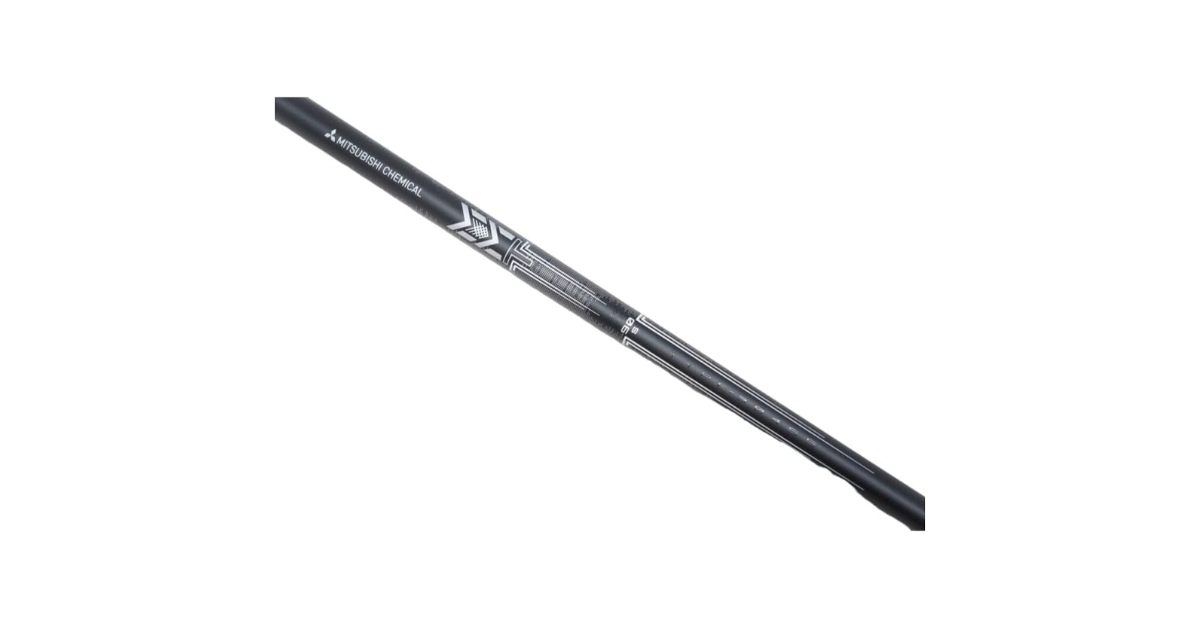
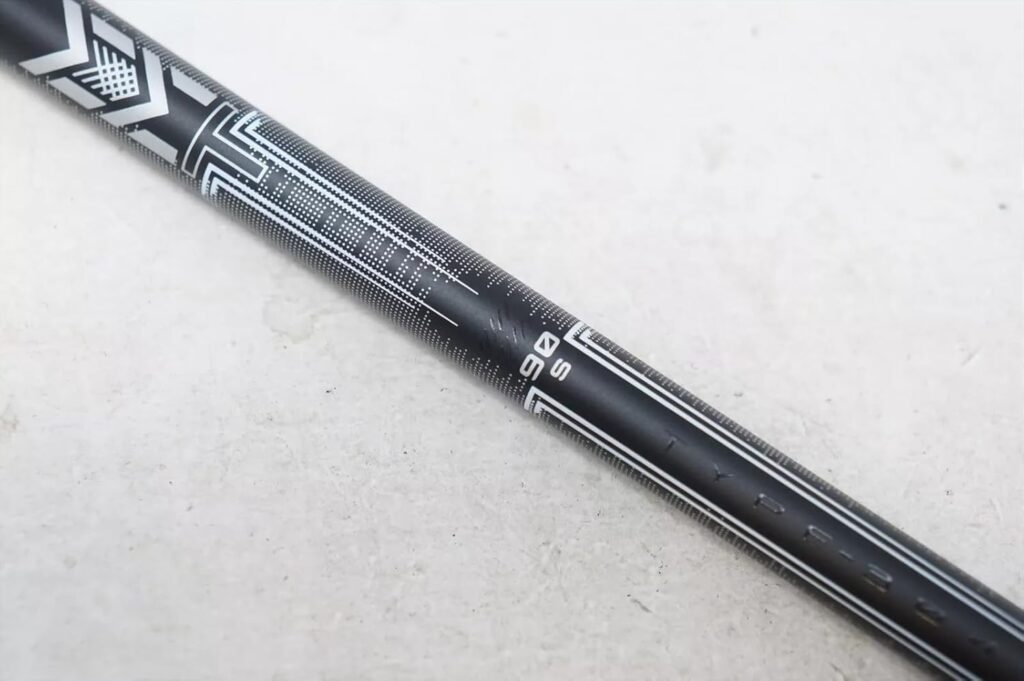
Finding the right iron shaft can completely change the way your irons perform. Some golfers want the comfort of graphite, while others refuse to give up the control and consistency they’ve always experienced with steel. The Mitsubishi MMT Iron Shaft was created to bridge that gap, combining advanced composite materials with a unique steel mesh construction that delivers a very different feel from most graphite iron shafts on the market.
The thing is, graphite shafts have improved dramatically over the last decade. They’re no longer just an option for seniors or players looking to reduce vibration. Today’s premium graphite shafts are being played by low handicappers, competitive amateurs, and even tour professionals. The Mitsubishi MMT sits firmly in that category.
After reviewing the available specifications, customer feedback, manufacturer information, and performance characteristics, here’s a closer look at whether this shaft deserves a place in your iron setup.
Key Specifications at a Glance
| Specification | Details |
|---|---|
| Product | Mitsubishi MMT Iron Shaft |
| Tip Size | .370 Parallel |
| Weight Options | 40g, 50g, 60g, 70g, 80g |
| Flex Options | Ladies, Senior (A), Regular, Stiff |
| Launch Profile | Mid Launch |
| Spin Profile | Mid Spin |
| Recommended Swing Speed | 80-106 mph (depending on model) |
| Shaft Type | Graphite Iron Shaft |
View on Amazon
The Technology Behind Mitsubishi MMT
What Is Metal Mesh Technology?
The biggest talking point with the Mitsubishi MMT Iron Shaft is its patented Metal Mesh Technology.
Instead of relying entirely on graphite layers, Mitsubishi incorporates a section of braided 304 stainless steel mesh into the lower portion of the shaft. That might sound unusual at first, but there’s actually a good reason for it.
The steel mesh increases shaft density and stability without significantly increasing overall weight. It also allows engineers to create thinner composite walls while maintaining structural integrity. In simple terms, golfers get many of the comfort benefits of graphite while retaining some of the control characteristics associated with steel.
Why Stainless Steel Is Built Into a Graphite Shaft
Many golfers describe standard graphite shafts as feeling smooth but sometimes lacking feedback. Steel shafts often provide more precise feedback but can feel harsh on mishits.
The MMT design attempts to balance both worlds. The steel mesh reinforcement helps tighten dispersion and improve consistency, while the graphite structure continues to absorb unwanted vibration.
Honestly, it’s a pretty clever solution.
How MMT Differs From Traditional Graphite Iron Shafts
Compared with conventional graphite designs, the MMT tends to feel slightly firmer through impact. Not harsh, just more connected.
Players who are transitioning from steel usually adapt quickly because the shaft doesn’t feel overly soft or loose. That’s one reason why many better players have shown interest in the MMT lineup.
Feel and Feedback Through Impact
Smoothness Compared to Steel
One of the first things golfers notice is the smooth feel throughout the swing.
The shaft loads gradually and unloads in a controlled manner. There’s no excessive kick or unpredictable movement. For many players, the result is a confident and stable sensation during full swings.
Compared to traditional steel shafts, impact feels softer, especially during long practice sessions.
Vibration Control on Mishits
Mishits happen. Even good golfers miss the center from time to time.
The MMT does a very good job of reducing harsh vibration on thin or slightly off-center strikes. While you’ll still know when you’ve missed the sweet spot, your hands and elbows won’t absorb as much punishment.
Golfers dealing with joint discomfort may appreciate this feature more than they initially expect.
Responsiveness Around the Green
Although iron shafts are primarily judged by full-swing performance, touch shots matter too.
The MMT maintains enough feedback for partial wedges and controlled approach shots. The shaft never feels disconnected from the clubhead, which helps when trying to manage distance control around the greens.
Launch, Spin and Trajectory Performance
Mid Launch Characteristics
The manufacturer positions the shaft as a mid-launch option, and that description seems accurate.
Shots launch high enough to hold greens but generally avoid the ballooning trajectory some lightweight graphite shafts can produce. Most golfers should find the flight versatile enough for a variety of course conditions.
Spin Control Into Greens
Spin characteristics also fall into the middle of the spectrum.
There’s enough spin to stop approach shots effectively, yet not so much that distance control becomes difficult. Better players will likely appreciate the predictable spin window.
Shot Height Consistency Throughout the Set
One area where the MMT performs particularly well is trajectory consistency.
Whether hitting a 5-iron or pitching wedge, the shaft tends to maintain a repeatable launch profile. That’s important because predictable trajectory often translates into more consistent scoring opportunities.
Range Testing and On-Course Impressions
During range sessions, the shaft feels remarkably stable through impact. Golfers swinging between 80 and 106 mph should notice how well the shaft keeps pace with aggressive swings.
On the course, approach shots tend to fly on a controlled mid-flight window. Into moderate wind, the trajectory remains fairly manageable. That’s something not every graphite shaft can claim.
Long irons also benefit from the shaft’s stability. Instead of feeling overly active, the shaft provides a balanced blend of launch assistance and directional control.
A number of YouTube reviewers who have tested the MMT family often highlight its steel-like stability, which aligns closely with what many golfers report after switching from traditional steel shafts.
Stability Analysis
Transition Control
Golfers with quicker transitions often struggle with lightweight graphite shafts.
The MMT handles transition surprisingly well. The shaft feels secure at the top of the backswing and remains composed during aggressive changes of direction.
Performance for Faster Swing Speeds
The stiff 80g version reviewed here is suitable for golfers generating significant clubhead speed.
Players in the 80–106 mph range should have no problem maintaining control. In fact, this stability is one of the reasons stronger players continue to explore premium graphite options.
Why Better Players Often Choose MMT
Better golfers typically prioritize consistency over raw distance.
The MMT delivers that consistency through improved stability, repeatable launch conditions, and controlled spin characteristics. Those factors often matter more than adding a few extra yards.
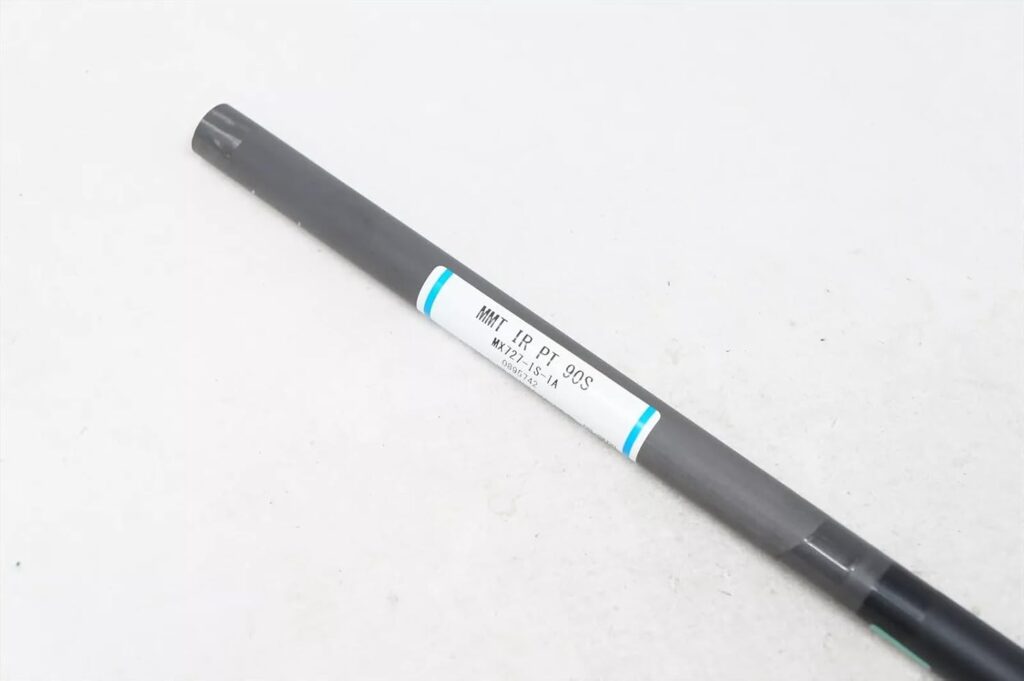
Which Weight and Flex Should You Choose?
The MMT lineup offers multiple weight classes, making fitting extremely important.
- 40g–50g: Best for slower swing speeds and players seeking maximum ease of swing.
- 60g–70g: Suitable for moderate swing speeds looking for a balance of speed and control.
- 80g: Better suited to stronger players who want additional stability.
Flex selection follows a similar pattern. Senior and regular flex options help moderate swing speeds, while stiff flex works best for stronger, more aggressive players.
Mitsubishi MMT vs Competitors
MMT vs Aerotech SteelFiber
Both shafts aim to blend graphite comfort with steel-like control.
SteelFiber generally feels slightly firmer, while the MMT often provides a smoother overall sensation.
MMT vs UST Recoil
Recoil shafts tend to emphasize smoothness and energy transfer.
The MMT places greater focus on stability and feedback, especially for golfers transitioning from steel.
Check Here
Which Shaft Fits Your Swing Best?
- MMT: Best for players wanting graphite comfort with steel-like control.
- SteelFiber: Ideal for golfers seeking maximum stability.
- Recoil: Excellent for golfers prioritizing smooth feel.
Pros and Cons
Pros
- Innovative Metal Mesh Technology
- Excellent stability for a graphite shaft
- Comfortable vibration dampening
- Consistent launch and spin
- Multiple weight and flex options
- Strong customer satisfaction
Cons
- Premium pricing compared to basic graphite shafts
- Proper fitting is highly recommended
- Limited review volume available online
Who Should Play the Mitsubishi MMT?
The MMT is a strong fit for mid-handicap and low-handicap golfers who want the benefits of graphite without sacrificing control.
Players transitioning away from heavier steel shafts will likely appreciate the familiar feel. Golfers with joint pain may also benefit from the vibration reduction.
Those who prefer extremely soft-feeling graphite shafts, however, might find the MMT slightly firmer than expected.
Value for Money and Long-Term Durability
The Mitsubishi MMT isn’t the cheapest iron shaft available, but it isn’t trying to be.
You’re paying for advanced materials, sophisticated engineering, and a performance profile that appeals to a wide range of golfers. Given Mitsubishi’s reputation and the shaft’s construction quality, durability expectations are very good.
For serious golfers seeking a premium graphite iron shaft, the investment feels justified.
Golf Assay Score
| Category | Score |
|---|---|
| Feel | 9.2/10 |
| Stability | 9.4/10 |
| Launch Control | 9.0/10 |
| Technology | 9.6/10 |
| Value | 8.8/10 |
| Overall | 9.2/10 |
Final Verdict
The Mitsubishi MMT Iron Shaft succeeds because it doesn’t force golfers to choose between graphite comfort and steel-like control. The unique Metal Mesh Technology creates a shaft that feels stable, responsive, and surprisingly connected through impact.
If you’re looking for a premium iron shaft that offers consistent launch, reliable spin control, and reduced vibration, the MMT deserves a serious look. It may not be the perfect fit for every golfer, but for players wanting the best characteristics of both steel and graphite, it’s one of the more impressive options currently available.